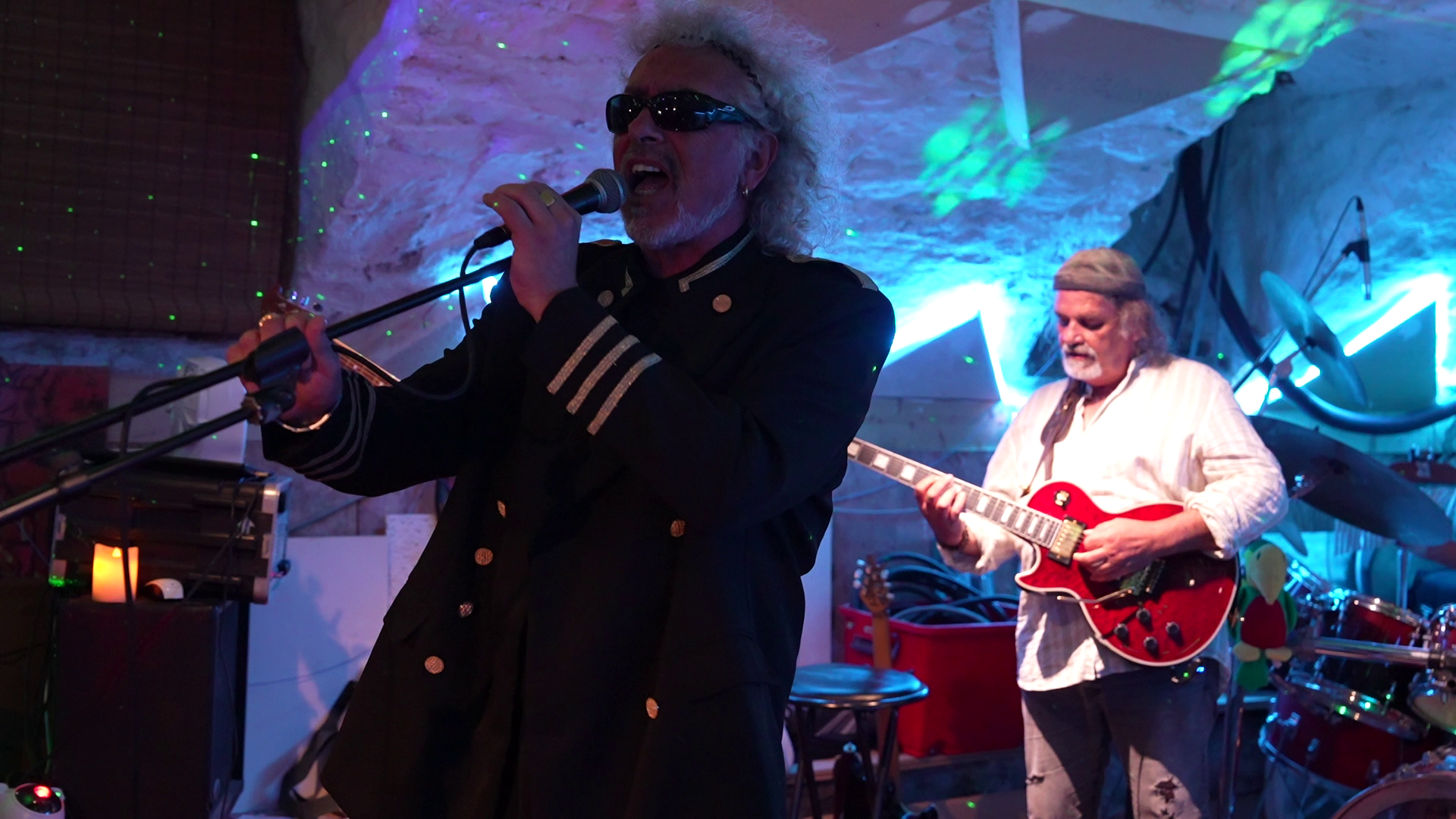

Quetzal performing live with lead vocals

Progressive rock vocals Voice, narration, harmonies, emotion and musical storytelling

The human instrument

A voice
inside the journey.

In progressive rock, the voice does more than carry lyrics. It gives a composition a point of view, an emotional centre and a human presence within expansive instrumental landscapes.

Progressive vocals can be melodic, theatrical, fragile, powerful, intimate or atmospheric. A singer may guide a story, introduce a character, reinforce a dramatic moment or leave space for the instruments to continue the narrative.

Voice is part of the wider progressive rock instrument palette. It interacts with keyboards, Mellotron, guitar, bass and drums to shape the identity of a song. This dialogue is essential to progressive song structure and becomes a powerful tool when composing progressive rock.

1 Human voice
Emotional shades
1 Musical story

Voice Tone, emotion and perspective

More than lyrics

The instrument that speaks to the listener.

In progressive rock, voice gives form to the human side of a musical journey. It can make an abstract instrumental landscape feel personal, immediate and emotionally focused.

The singer’s tone, phrasing and dynamics can change the meaning of a section as much as a new chord, a drum transition or a keyboard texture.

Explore all instruments

The vocal vocabulary

Beyond
the chorus.

Progressive rock vocals move between direct melody and expansive storytelling. They can carry a hook, develop a character, create harmonic complexity or disappear to let an instrumental section speak.

01 Melody

Lead vocal

The lead voice creates the main melodic focus, carrying words, themes and emotional direction through a progressive composition.

02 Narrative

Storytelling

Vocals can establish a point of view, introduce characters and connect different musical sections within a larger narrative arc.

03 Ensemble colour

Harmonies

Doubled lines, choirs and vocal harmonies add depth, contrast, tension and an orchestral dimension to the arrangement.

04 Interpretation

Phrasing

The placement, rhythm and articulation of each phrase can reshape a melody and create a distinctive vocal identity.

05 Dynamic contrast

Intimacy and power

A voice can move from a near-whisper to a powerful climax, giving long progressive arrangements their emotional contours.

06 Live presence

The stage voice

In concert, vocals connect the band directly with the audience, turning complex compositions into shared and immediate experiences.

Musical function

What does voice bring to a progressive rock band?

Voice adds the human element to an arrangement. It can guide the listener through complex music, express a character or emotion, and create a melodic centre among many instrumental layers.

Focus

A vocal line gives the listener an immediate focal point inside a long, changing or highly detailed arrangement.

Meaning

Lyrics and vocal interpretation can give conceptual, emotional or narrative meaning to instrumental movement.

Texture

Harmonies, doubled phrases, vocal layers and sustained notes can become part of the arrangement’s sonic texture.

Contrast

Voice can create contrast with instrumental passages, shifting from intimacy to intensity and from clarity to mystery.

Q A voice can transform the way a progressive composition is heard.

Quetzal and the voice

A melodic presence within the Quetzal universe.

Quetzal develops a melodic, symphonic and atmospheric approach to progressive rock in which vocals become part of the band’s musical storytelling and live identity.

The addition of lead vocals expanded the expressive possibilities of the group’s music. It introduced a new perspective into the arrangements, allowing instrumental developments and vocal narratives to coexist within the same progressive language.

Explore the band, listen to Quetzal music, or discover the group’s discography.

Evolving expression

From narrative lead to layered vocal worlds.

Progressive rock vocals have continuously evolved, moving between theatrical expression, folk influence, high melodic lines, vocal harmonies and modern atmospheric production.

1970s

Story and theatre

Classic prog develops expressive lead voices, narrative themes, theatrical delivery and ambitious vocal arrangements.

1980s

Melodic focus

More direct melodic writing and polished production bring new clarity to progressive vocal lines and harmonies.

1990s

New intensity

Progressive metal and modern prog expand the range of vocal expression, from clean melodic delivery to more forceful styles.

Today

Hybrid voices

Contemporary progressive rock combines classic melody, ambient layers, cinematic production and highly personal vocal identity.

Questions and answers

FAQ: progressive rock vocals.

Essential answers about melody, narration, harmonies and the role of voice in progressive rock.

What makes progressive rock vocals different?

Progressive rock vocals can combine melodic singing, narrative delivery, vocal harmonies, theatrical expression, atmospheric phrasing and changing dynamics to support long-form compositions.

What is the role of vocals in progressive rock?

Vocals provide melody, lyrics, character and emotional focus. They can guide a narrative, interact with instrumental sections and create contrast within complex progressive arrangements.

Why are vocal harmonies used in progressive rock?

Vocal harmonies add depth, contrast and an orchestral dimension. They can reinforce a chorus, create tension, support a narrative or expand the emotional impact of a passage.

Can vocals be an instrument in progressive rock?

Yes. The voice can function as an instrument through melody, phrasing, tone, harmony, texture and dynamic interaction with the rest of the band.