
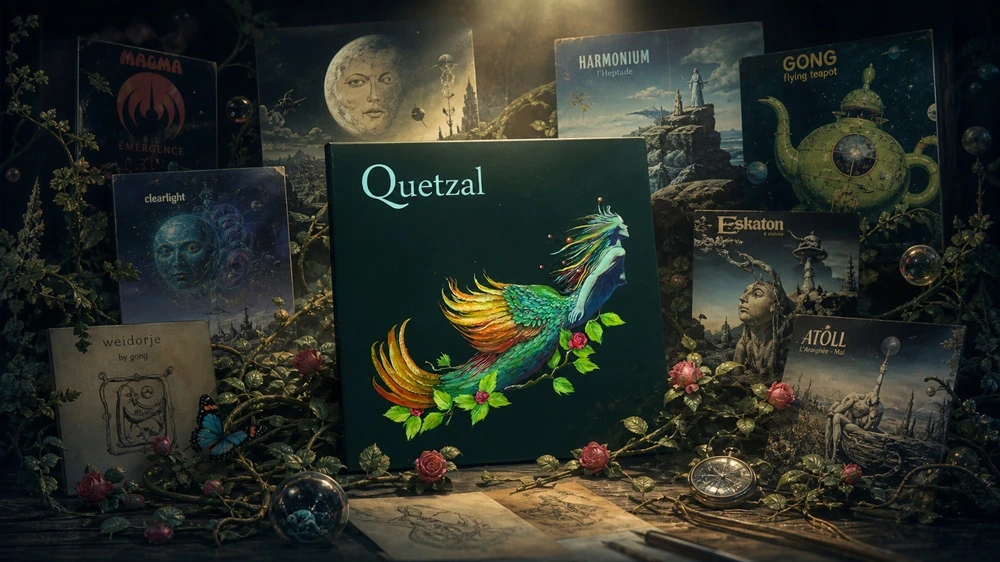
The essential definition
French Progressive Rock: A Distinctive Scene
The French progressive rock scene combines musical ambition, experimentation, symphonic colour and a distinctive artistic identity. It includes several contrasting traditions rather than one uniform sound.
French progressive rock, also known as French prog, is a distinctive branch of progressive rock and a diverse musical scene that developed in France in the late 1960s and flourished during the 1970s.
It combines symphonic arrangements , jazz-rock influences, experimental structures, theatrical expression and a strong French artistic identity.
The scene has never followed a single formula. It includes symphonic, theatrical, psychedelic, atmospheric, instrumental and avant-garde approaches, with Zeuhl representing one of its most original developments.
The History of French Progressive Rock
French progressive rock emerged in the late 1960s and flourished during the 1970s. Inspired by British progressive rock but shaped by its own artistic identity, the French scene developed a distinctive combination of symphonic composition, jazz-rock experimentation, theatrical expression and ambitious musical structures.
Magma, Ange, Pulsar, Atoll and Gong helped establish France as one of Europe's most distinctive centres of progressive music. Their work laid the foundations for a diverse French prog tradition that continued to evolve through later generations of musicians.
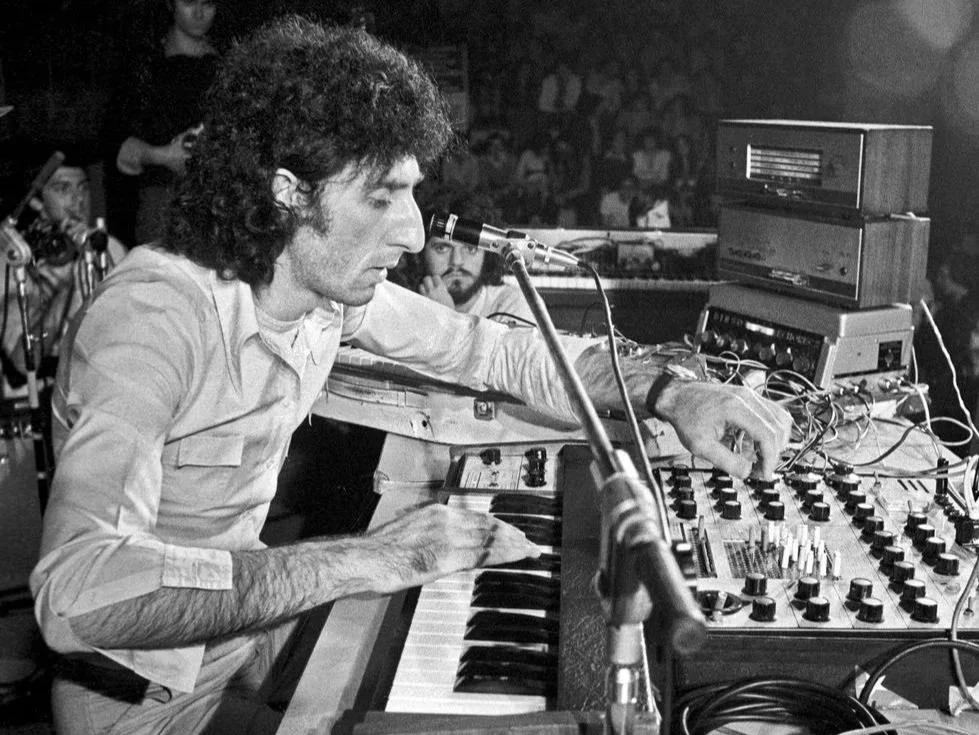
French progressive rock quickly developed into several distinct directions. Symphonic rock evolved alongside the experimental Zeuhl movement, jazz fusion, atmospheric instrumental music and theatrical French-language productions.
| Period | Key developments |
|---|---|
| Late 1960s | French musicians began exploring longer compositions, unusual arrangements and experimental forms of rock music. |
| 1970s | French progressive rock reached its golden age with influential bands such as Magma, Ange, Pulsar, Atoll and Gong. |
| 1980s | Although prog became less commercially prominent, French artists continued through independent productions and dedicated audiences. |
| 1990s–2000s | Specialist labels, festivals and progressive-rock communities helped preserve and renew the French prog tradition. |
| 2010s–Today | Contemporary musicians continue combining classic prog heritage with modern production and new creative approaches. |
French Progressive Rock: Characteristics, Style and Influences
French progressive rock is known for its symphonic ambition, experimental approach, jazz-rock influences and distinctive cultural identity. Many French prog artists combine complex compositions, atmospheric storytelling, theatrical expression and a sustained interest in musical experimentation.
- A distinctive French identity, expressed through language, literature, cultural references, atmosphere and visual aesthetics.
- Symphonic arrangements, with keyboards, guitars and dynamic structures influenced by classical and orchestral traditions.
- Jazz-rock, fusion and experimental influences, producing sophisticated harmonies, unusual rhythms and distinctive musical textures.
- Long-form compositions and concept-driven albums, allowing musical ideas to develop as immersive journeys rather than conventional rock songs.
- Diverse musical approaches, ranging from melodic symphonic prog and instrumental music to Zeuhl, avant-garde and theatrical progressive rock.
Influential Artists in the French Progressive Rock Scene
The French progressive rock scene was shaped by artists who developed distinctive approaches to symphonic composition, experimental structures, theatrical expression and instrumental writing.
| Artist | Why they matter | Typical style |
|---|---|---|
| Magma | Founded by Christian Vander, Magma created the influential Zeuhl movement and developed one of the most original approaches in progressive rock. | Zeuhl, experimental, rhythmically complex. |
| Ange | Ange became a major force through theatrical performances, poetic French-language lyrics and a distinctive symphonic identity. | Symphonic, theatrical, literary. |
| Gong | Founded in Paris, Gong connected the French progressive scene with psychedelic music, jazz fusion and space rock while developing an international identity. | Psychedelic, jazz fusion, space rock. |
| Pulsar | Pulsar is recognised for atmospheric compositions, elegant arrangements and a refined symphonic approach. | Symphonic, melodic, atmospheric. |
| Atoll | Atoll represented the technically ambitious side of the 1970s French scene through complex arrangements and energetic musicianship. | Classic prog, energetic, intricate. |
| Minimum Vital | Minimum Vital carried elements of the classic French progressive tradition into a later, keyboard-led and highly melodic form of progressive rock. | Instrumental, melodic, contemporary prog. |
| Mona Lisa | Mona Lisa contributed an expressive and theatrical style built around dramatic storytelling and symphonic progressive rock. | Narrative, dramatic, symphonic. |
Further Reading
Explore our guide to the best French progressive rock albums or continue with our broader guide to influential progressive rock bands worldwide .
Quetzal in Today's French Progressive Rock Scene
The history of French progressive rock did not end with the classic groups of the 1970s. Contemporary artists continue to reinterpret the tradition through new sounds, modern production and distinctive approaches to composition.
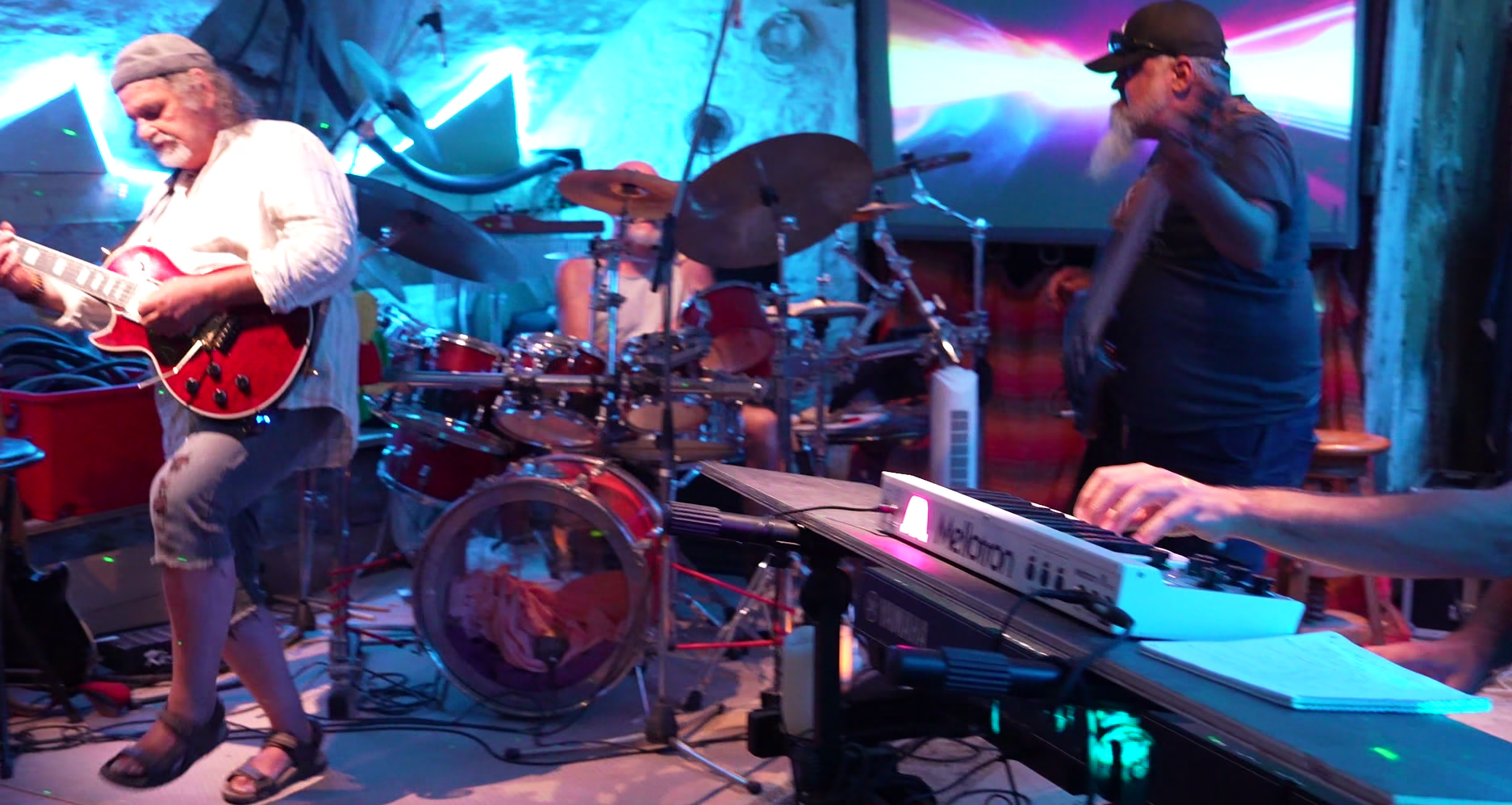
Founded in Aveyron in 2013, Quetzal is one contemporary French progressive rock band whose music combines symphonic influences, melodic writing, atmospheric keyboards and evolving musical structures.
Released in 2024 by the independent label Musea Parallèle, Quetzal's self-titled debut album offers a contemporary interpretation of French progressive rock through ambitious compositions, expressive arrangements and instrumental storytelling.
Learn more about Quetzal's story and members, explore Quetzal's discography, listen to the band's music or discover Musea Records and Musea Parallèle .
Why French Progressive Rock Still Matters
French progressive rock remains important because it demonstrates how a national music scene can develop its own identity within an international genre. Its history is not defined by one sound, but by the freedom of artists to combine ambitious composition with language, theatre, literature and experimentation.
The tradition also remains useful to contemporary musicians. Rather than simply reproducing the sound of the 1970s, later artists can draw on French prog's melodic, symphonic, theatrical and experimental heritage while developing their own approaches to production and composition.
- A distinctive cultural voice, connecting progressive music with French language, literature, theatre and visual expression.
- An unusually broad musical tradition, encompassing symphonic prog, Zeuhl, jazz fusion, instrumental music and avant-garde experimentation.
- A lasting influence, demonstrated by the continued interest in classic albums, specialist labels, festivals and progressive-rock communities.
- A living contemporary scene, in which bands such as Quetzal reinterpret the tradition through original compositions and modern production.