
Best Progressive Rock Albums12 Essential Records
What Are the Best Progressive Rock Albums?
Essential progressive rock albums include In the Court of the Crimson King by King Crimson, Close to the Edge by Yes, The Dark Side of the Moon by Pink Floyd, Selling England by the Pound by Genesis, Red by King Crimson and Misplaced Childhood by Marillion. Together, they introduce the genre’s classic, symphonic, atmospheric and neo-progressive traditions.
12 Essential Progressive Rock Albums
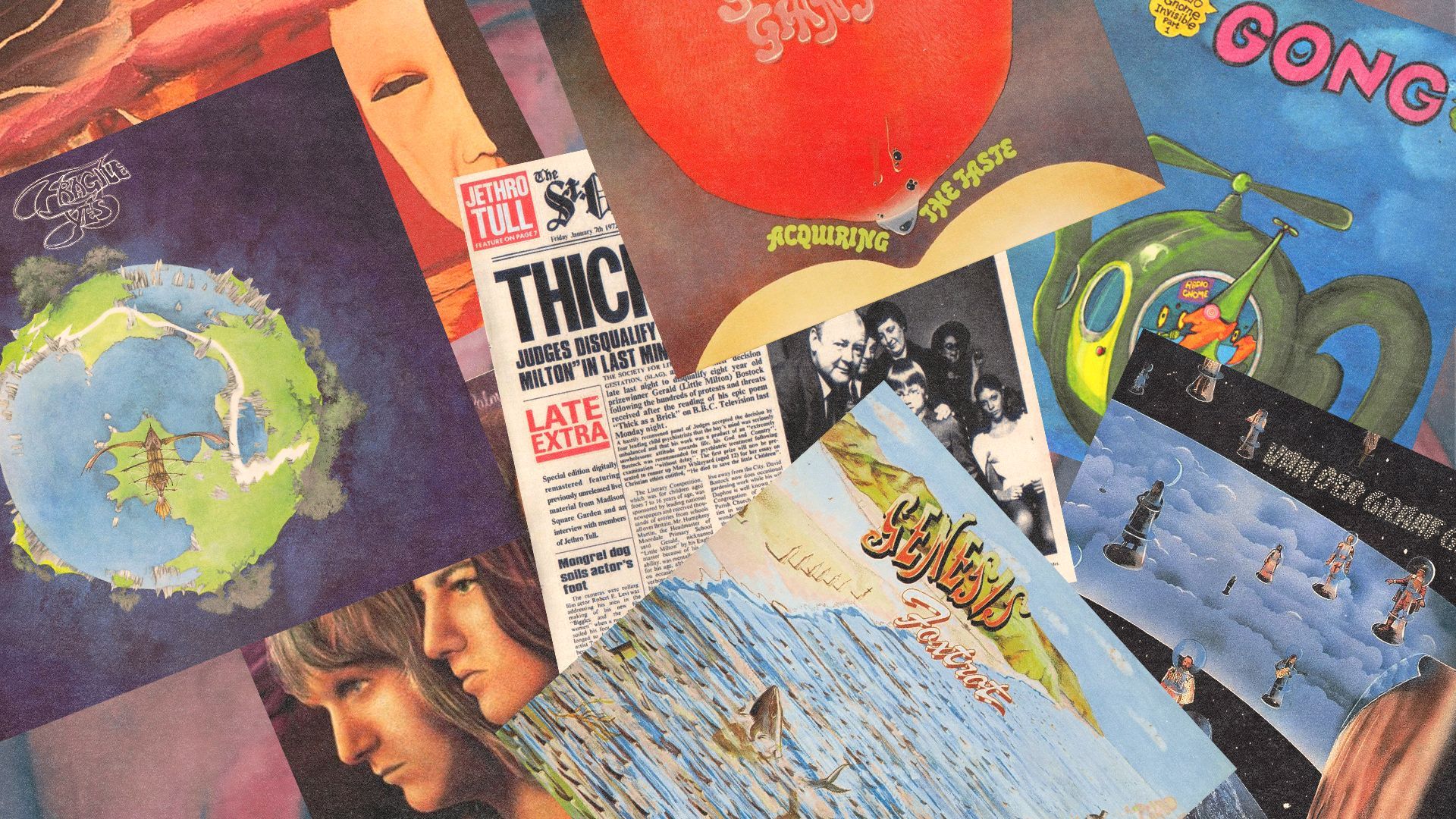
The albums below are presented in editorial order, beginning with landmark records that define progressive rock and continuing through influential neo-prog, progressive metal and modern progressive albums.
- King Crimson — In the Court of the Crimson King (1969) : a foundational album that established symphonic scale, dramatic dynamics and experimental textures in progressive rock.
- Yes — Close to the Edge (1972) : an essential example of extended composition, vocal harmony and virtuosic progressive rock arrangements.
- Pink Floyd — The Dark Side of the Moon (1973) : an accessible, atmospheric album shaped by studio experimentation, memorable melodies and thematic continuity.
- Genesis — Selling England by the Pound (1973) : a melodic and sophisticated introduction to British symphonic progressive rock.
- King Crimson — Red (1974) : a darker and heavier landmark that combines powerful guitar work with angular and experimental composition.
- Genesis — Foxtrot (1972) : an important early progressive rock album known for theatrical writing, dynamic arrangements and extended musical forms.
- Emerson, Lake & Palmer — Brain Salad Surgery (1973) : a keyboard-driven progressive rock record blending virtuosity, classical influence and experimental ambition.
- Pink Floyd — Wish You Were Here (1975) : an immersive progressive rock album built around atmosphere, thematic unity and emotionally direct songwriting.
- Marillion — Misplaced Childhood (1985) : a melodic neo-prog concept album and an accessible continuation of the progressive rock tradition.
- Dream Theater — Images and Words (1992) : a landmark progressive metal album combining technical musicianship, melody and complex song structures.
- Porcupine Tree — Fear of a Blank Planet (2007) : a modern progressive rock album balancing atmospheric production, alternative-rock influences and heavier passages.
- Steven Wilson — Hand. Cannot. Erase. (2015) : a contemporary, cinematic progressive album combining detailed production, melodic writing and conceptual storytelling.
Progressive Rock Albums by Subgenre and Listening Path
Progressive rock includes several distinct traditions. Explore symphonic progressive rock for elaborate arrangements and classical influences, neo-prog for melodic and atmospheric writing, progressive metal for heavier and more technically demanding music, and avant-prog for experimental approaches to rhythm, instrumentation and composition.
The guide also covers French progressive rock, contemporary progressive music and accessible listening paths for newcomers. These sections complement the 12 essential albums above by showing how progressive rock developed across different eras, countries and musical styles.
How We Selected These Progressive Rock Albums
This guide was created by the Quetzal progressive rock project for listeners who want a practical introduction to the genre’s most important albums. The selection combines musical experience, historical research and comparative listening across classic prog, symphonic prog, neo-prog, progressive metal, French prog and contemporary progressive rock.
Albums were selected for their historical influence, musical originality, contribution to a progressive rock tradition, lasting listening value and usefulness as entry points for different audiences. The list includes foundational records, representative subgenre albums, accessible starting points and modern releases that continue to develop the genre.
The 12 albums are presented in editorial order rather than as an objective measure of artistic value. The terms essential, influential, important and accessible describe different selection criteria, not interchangeable rankings.
Last reviewed: . This page is reviewed periodically as the progressive rock scene evolves. To suggest a correction or addition, please contact the Quetzal project.
Best Symphonic Progressive Rock Albums
Symphonic progressive rock combines rock instrumentation with elaborate arrangements, prominent keyboards, vocal harmonies, dynamic contrasts and influences from classical music. Its compositions often move beyond conventional verse-and-chorus structures while retaining a strong sense of melody and thematic development.
Several albums below also appear in the essential list because symphonic progressive rock is one of the genre’s central traditions. Here, they are considered specifically for their orchestral scale, keyboard work and long-form arrangements.
| Artist | Album | Why it matters |
|---|---|---|
| Yes | Fragile (1971) | A concise introduction to Yes’s layered harmonies, keyboards, instrumental virtuosity and varied progressive arrangements. |
| Yes | Close to the Edge (1972) | An ambitious long-form album built around extended composition, vocal harmonies, dynamic contrasts and highly developed symphonic arrangements. |
| Genesis | Foxtrot (1972) | A theatrical and dynamic example of early British progressive rock, with ambitious structures and constantly changing arrangements. |
| Genesis | Selling England by the Pound (1973) | A melodic and sophisticated record combining keyboards, acoustic textures, vocal detail and intricate progressive songwriting. |
| Emerson, Lake & Palmer | Brain Salad Surgery (1973) | A keyboard-led album that highlights virtuosity, classical influences, powerful dynamics and experimental progressive rock. |
For a broader history, definition and album guide, explore the symphonic progressive rock guide .
Best Neo-Progressive Rock Albums (Neo-Prog)
Neo-progressive rock, or neo-prog, became especially prominent during the 1980s, renewing interest in melodic and atmospheric progressive music. The style often combines expressive vocals, prominent keyboards, guitar-led melodies, dramatic arrangements and carefully developed compositions.
The albums below represent different sides of neo-prog, from Marillion’s atmospheric concept writing to IQ’s more instrumental approach and Arena’s later cinematic sound.
| Artist | Album | Why explore it |
|---|---|---|
| Marillion | Script for a Jester’s Tear (1983) | An important early neo-prog album combining dramatic vocals, expressive guitar work and atmospheric keyboard arrangements. |
| Marillion | Misplaced Childhood (1985) | A cohesive and melodic concept album that offers one of the most accessible introductions to neo-progressive rock. |
| IQ | The Wake (1985) | A key neo-prog record built around atmospheric keyboards, guitar melodies, extended compositions and a darker progressive mood. |
| Marillion | Clutching at Straws (1987) | An emotionally driven album with atmospheric songwriting, nuanced arrangements and a mature melodic approach to neo-prog. |
| Arena | The Visitor (1998) | A later neo-prog album with cinematic keyboards, dramatic development and a polished melodic sound. |
For a broader history, definition and list of major artists, explore the neo-progressive rock guide .
Best Progressive Metal Albums
Progressive metal combines the compositional ambition of progressive rock with the weight, guitar sound and rhythmic power of heavy metal. The style ranges from melodic and keyboard-led albums to technically demanding, atmospheric and highly experimental music.
This selection follows the development of progressive metal from narrative and concept-driven records to technically ambitious and contemporary progressive metal.
| Artist | Album | Why it matters |
|---|---|---|
| Queensrÿche | Operation: Mindcrime (1988) | A narrative-driven album that helped establish progressive metal through sophisticated songwriting, dramatic arrangements and a cohesive concept. |
| Dream Theater | Images and Words (1992) | A landmark progressive metal album combining virtuoso musicianship, memorable melodies, keyboards and complex song structures. |
| Dream Theater | Metropolis Pt. 2: Scenes from a Memory (1999) | An ambitious concept album that expands progressive metal through recurring themes, cinematic storytelling and long-form composition. |
| Opeth | Blackwater Park (2001) | A dark and atmospheric progressive metal record contrasting heavy passages with acoustic textures, dynamic shifts and expansive arrangements. |
| Haken | The Mountain (2013) | A contemporary progressive metal album balancing technical musicianship, melodic writing, varied arrangements and polished modern production. |
For the history, characteristics and major artists of the style, explore the progressive metal guide .
Best Avant-Prog and RIO Albums
Avant-prog explores the most experimental side of progressive rock through unusual instrumentation, complex rhythms, dissonance, abrupt changes and unconventional approaches to melody. Rock in Opposition, often abbreviated as RIO, refers to a historically specific movement and network of artists associated with radical approaches to composition and musical independence.
Avant-prog and RIO overlap, but they are not identical categories. The selection below includes a defining Zeuhl work alongside influential examples of experimental and chamber-oriented progressive music.
| Artist | Album | Tradition and creative direction |
|---|---|---|
| Magma | Mëkanïk Dëstruktïẁ Kömmandöh (1973) | A defining Zeuhl work built around powerful repetitive structures, choral writing, theatrical intensity and Magma’s distinctive fictional mythology. |
| Henry Cow | In Praise of Learning (1975) | An experimental and politically charged album associated with the radical avant-prog and RIO tradition through unconventional arrangements and compositional methods. |
| Univers Zero | Hérésie (1979) | A dark chamber-rock landmark combining austere textures, unusual instrumentation, tension and highly experimental progressive composition. |
Explore the dedicated Zeuhl progressive rock guide for Magma and the French Zeuhl tradition. For a broader overview of experimental progressive music, visit the progressive rock subgenres guide .
Best French Progressive Rock Albums
French progressive rock developed a distinctive identity through artists such as Magma, Ange, Pulsar and Shylock. The French scene has explored symphonic rock, psychedelic music, Zeuhl, theatrical songwriting, experimental composition and atmospheric progressive music.
The following selection focuses on albums that represent important directions in the history of French progressive rock, from the 1970s foundations of the scene to its later instrumental and atmospheric developments.
| Artist | Album | Place in French prog |
|---|---|---|
| Magma | Mëkanïk Dëstruktïẁ Kömmandöh (1973) | A defining Zeuhl work combining powerful repetitive structures, choral writing, theatrical intensity and an original fictional mythology. |
| Ange | Au-delà du délire (1974) | A landmark of French progressive rock built around theatrical French-language vocals, elaborate arrangements and dramatic storytelling. |
| Pulsar | The Strands of the Future (1976) | An atmospheric and symphonic album shaped by spacious arrangements, melodic development and a strong sense of mood. |
| Shylock | Gialorgues (1977) | An important example of sophisticated instrumental French prog, combining detailed musicianship with complex and carefully arranged compositions. |
For the history, characteristics and major artists of the French scene, explore the complete French progressive rock guide .
Best Progressive Rock Albums for Beginners
Progressive rock does not have to begin with its most complex albums. New listeners can start with records that combine progressive ideas with memorable melodies, atmospheric production, clear thematic direction and relatively accessible song structures.
This selection offers different entry points: atmosphere, melodic songwriting, symphonic arrangements, neo-prog and contemporary progressive music. There is no required listening order; choose the album that best matches your musical taste.
| Artist | Album | Why start here |
|---|---|---|
| Pink Floyd | The Dark Side of the Moon (1973) | An atmospheric and highly accessible introduction built around memorable melodies, studio production and strong thematic continuity. |
| Genesis | A Trick of the Tail (1976) | A melodic album that combines relatively concise songwriting with inventive arrangements and progressive detail. |
| Marillion | Misplaced Childhood (1985) | A cohesive concept album with strong melodies and an atmospheric neo-prog sound that is easy to approach as a complete work. |
| Steven Wilson | Hand. Cannot. Erase. (2015) | A contemporary and cinematic introduction to progressive music, combining accessible melodies with detailed production and developing song structures. |
| Yes | Fragile (1971) | A useful starting point for listeners who want to discover symphonic arrangements, vocal harmonies and progressive musicianship in shorter formats. |
Best Contemporary Progressive Rock Albums
Contemporary progressive rock continues the genre’s tradition of experimentation while benefiting from modern production, digital recording and a wider range of influences. Modern progressive albums may incorporate elements of alternative rock, metal, electronic music, post-rock and cinematic composition.
This selection highlights different modern approaches, including atmospheric alternative prog, cinematic songwriting, contemporary symphonic rock and progressive metal.
| Artist | Album | Why explore it |
|---|---|---|
| Porcupine Tree | Fear of a Blank Planet (2007) | A modern progressive rock album combining alternative-rock influences, atmospheric production, heavier passages and a cohesive thematic focus. |
| Big Big Train | English Electric Part One (2012) | A melodic modern symphonic prog album combining expansive arrangements with historical and cultural themes. |
| Haken | The Mountain (2013) | A technically ambitious album that blends progressive metal, melodic writing, complex arrangements and contemporary production. |
| Big Big Train | English Electric Part Two (2013) | A continuation of the band’s modern symphonic approach, with detailed songwriting, layered arrangements and broad thematic scope. |
| Steven Wilson | Hand. Cannot. Erase. (2015) | A cinematic and emotionally detailed progressive album combining memorable melodies, conceptual storytelling and contemporary studio production. |
| Riverside | Love, Fear and the Time Machine (2015) | An atmospheric and melodic progressive rock album focused on emotional songwriting, spacious arrangements and reflective mood. |
Quetzal Progressive Rock Albums: Official Discography
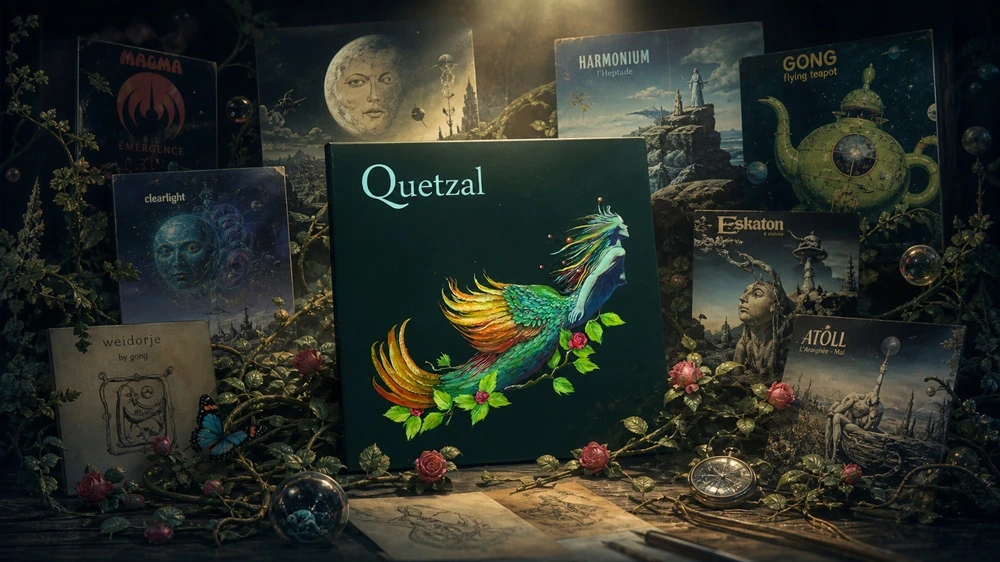
Quetzal is a contemporary French progressive rock band whose music combines melodic writing, atmospheric textures, symphonic elements and evolving arrangements. The band’s official discography currently includes one studio album.
| Album | Release year | Musical style | Official details |
|---|---|---|---|
| Quetzal | Melodic, symphonic and atmospheric progressive rock | Track listing and official discography |
The album contains seven original compositions: Amazona, Quiscale, Genèse, Pithui, Colombinae, Harpie and Paruline.
Released through Musea Parallèle in 2024, the album presents Quetzal’s contemporary interpretation of progressive rock through melodic writing, atmospheric keyboards, expressive vocals, guitars and evolving structures.
Progressive Rock Albums FAQ
What makes an album progressive rock?
Progressive rock albums typically expand traditional rock through extended compositions, changing structures, complex arrangements, thematic continuity, unusual instrumentation or ambitious studio production. Not every album uses all of these elements; progressive rock includes symphonic, atmospheric, experimental, neo-prog, progressive metal and other related traditions.
How should a beginner start listening to progressive rock?
Start with an album that matches your taste. Try Pink Floyd for atmosphere, Genesis for melodic progressive rock, Yes for symphonic arrangements, Marillion for neo-prog or Dream Theater for progressive metal. You can then explore more experimental and contemporary albums.
How were these progressive rock albums selected?
The selection considers historical influence, musical originality, contribution to a progressive rock tradition, lasting listening value and usefulness as a starting point for different audiences. The order is editorial rather than an objective ranking of every progressive rock album.